

密度梯度試劑
OptiMATE Cesium Chloride & Iodixanol
專為密度梯度離心設計的液體溶液,是分離各種細胞類型、亞細胞顆粒(如質粒 DNA)和病毒的理想選擇。我們的高品質試劑是無菌的,且內毒素含量低 (≤ 1 EU/mL),可支援現行的良好生產規範 (cGMP) 工作流程。
密度梯度離心法是一種用於生物化學、分子生物學及其他領域的技術,可根據顆粒或分子在密度形成物質梯度中的浮力密度或沉降係數將其分離。

Order Density Gradient Reagents
應用

分離生物分子
從複雜的混合物中分離 DNA、RNA、蛋白質等生物大分子。

病毒純化
純化病毒與病毒載體的囊膜類型,包括:空、部分載入、全載入與過載入。

亞細胞結構的分離
分離細胞器,如核、線粒體、溶酶體和膜。

細胞分離
分離細胞,以研究異質樣本中不同的細胞群。
密度梯度的類型
| 速率 區域 | 等密度梯度 | 平衡帶 | |
|---|---|---|---|
| 分離基礎 | 材料在預先形成的密度梯度中按 S 值(大小和質量)分離 | 在自成(連續)的密度梯度中,物料藉由浮力密度分離 | 在預先形成的密度梯度中以浮力密度分離材料 |
| 典型梯度 | 連續梯度(例如線性蔗糖梯度) | 連續梯度 (例如 CsCl 梯度) | 樣品被分離成不同密度的區段(或階段) |
| 常見梯度材料 | Iodixanol, Sucrose | CsCl, Iodixanol | Iodixanol(更常用於病毒分離), sucrose |
| 優勢 | 以高解析度速率分離具有類似 S 值的材料 | 最高解析度的密度分離 | 按密度一步純化和濃縮 |
 |
 |
 |


Related Products
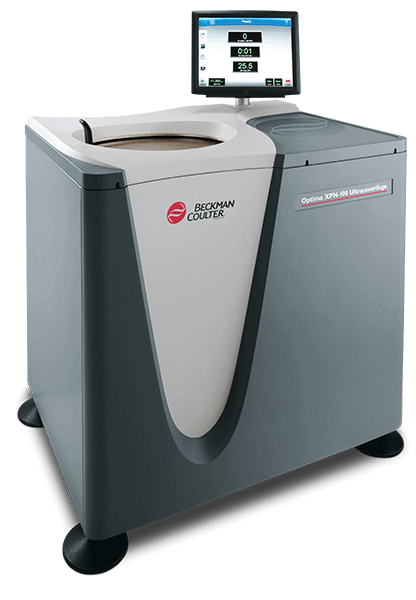
Optima XPN-100
Discover the Optima XPN-100 ultracentrifuge—engineered for advanced performance, user-friendly controls, and enhanced productivity. Explore specs & details.

Optima™ Max-XP Tabletop Ultracentrifuge
Optima™ Max-XP Tabletop Ultracentrifuge delivers rapid, high-speed separations with advanced software, safety features, and flexible capacity. Shop now.

VTi-50.1 Vertical-Angle Rotor
Purpose-built for Optima Series ultracentrifuges, the VTi 50.1 rotor helps you produce more in less time with rapid density gradient separations. Its short pathlength enables faster run times at high resolution, while the durable rotor structure enables higher density applications without de-rating speed.


Technical Documents
FAQ on Density Gradient Media
How do I decide between OptiMATE cesium chloride and iodixanol?
OptiMATE reagents are highly flexible and can be used for both step or linear (continuous) gradients to purify a variety of sample types. Cesium chloride is an ionic salt known for its high hygroscopicity, which results in low-viscosity solutions. It is commonly used in the purification of viruses and nucleic acids. In contrast, iodixanol is a non-ionic, highly viscous substance that is often gentler on particles with lipid membranes, such as cells and extracellular vesicles.
How should OptiMATE reagents be stored?
Since the OptiMATE reagents are highly concentrated, both solutions should be stored at room temperature (20 °C).
How do I dispose of the reagents?
OptiMATE reagents should not be flushed down the drain. Cesium chloride and iodixanol solutions should be disposed of at an approved hazardous waste disposal plant according to your organization's waste disposal plan.
How long do the reagents last from their date of manufacture?
The density gradient media have a shelf life of 18 months from date of manufacture.

